
- Gel Polish System UV/LED
- All Colors Gel Polish
- Anime Vibe
- Carat Collection
- Cherry on Top
- City Breeze Gel Polish
- Crazy in Colors
- Dance Collection
- Disco Fever
- Dopamina
- Dress Code Gel Polish
- 🆕Fashion Follower
- Feel the Flow
- Holo Colorido
- I’m Woman
- In Space
- Magic Charm
- NeonLove Gel Polish
- Royal Duo
- Serenity Garden
- Spring 2019
- Spring 2020
- Stone Cat Eye
- We Wish You
- Pure Creamy Hybrid
- Accessories/Tools
- Victoria Vynn Bases and Tops
- Victoria Vynn Boost Base – Vitamin Base
- Bottle Gel
- Build Gel UV/LED
- Fiber Gel
- Victoria Vynn Gadgets
- Hand & Body Care – Creams Oils Lipsticks
- Victoria Vynn Hello Base
- Just Base
- Liquid Poly Gel
- Master Gel / Polygel
- Mega Flexible System
- Mousse Gel
- Nail Art
- Nail Preparation
- Perfect Shape Dual Forms
- Soft Gel Tips
Navigating Client Skin Issues in Nail Salons: A Comprehensive Guide


In the nail salon industry, encountering clients with various skin issues is inevitable. These can range from minor irritations to more serious infections, affecting both the service you provide and the client’s health. Understanding these conditions and knowing how to navigate them responsibly is crucial for every nail technician. This guide will explore common skin problems encountered in nail salons and provide best practices for dealing with them.
Common Skin Issues Encountered in Nail Salons
Contact Dermatitis: This is a type of eczema that occurs when the skin reacts to substances it comes into contact with, causing irritation or allergic reactions. Symptoms include redness, itching, and blisters.
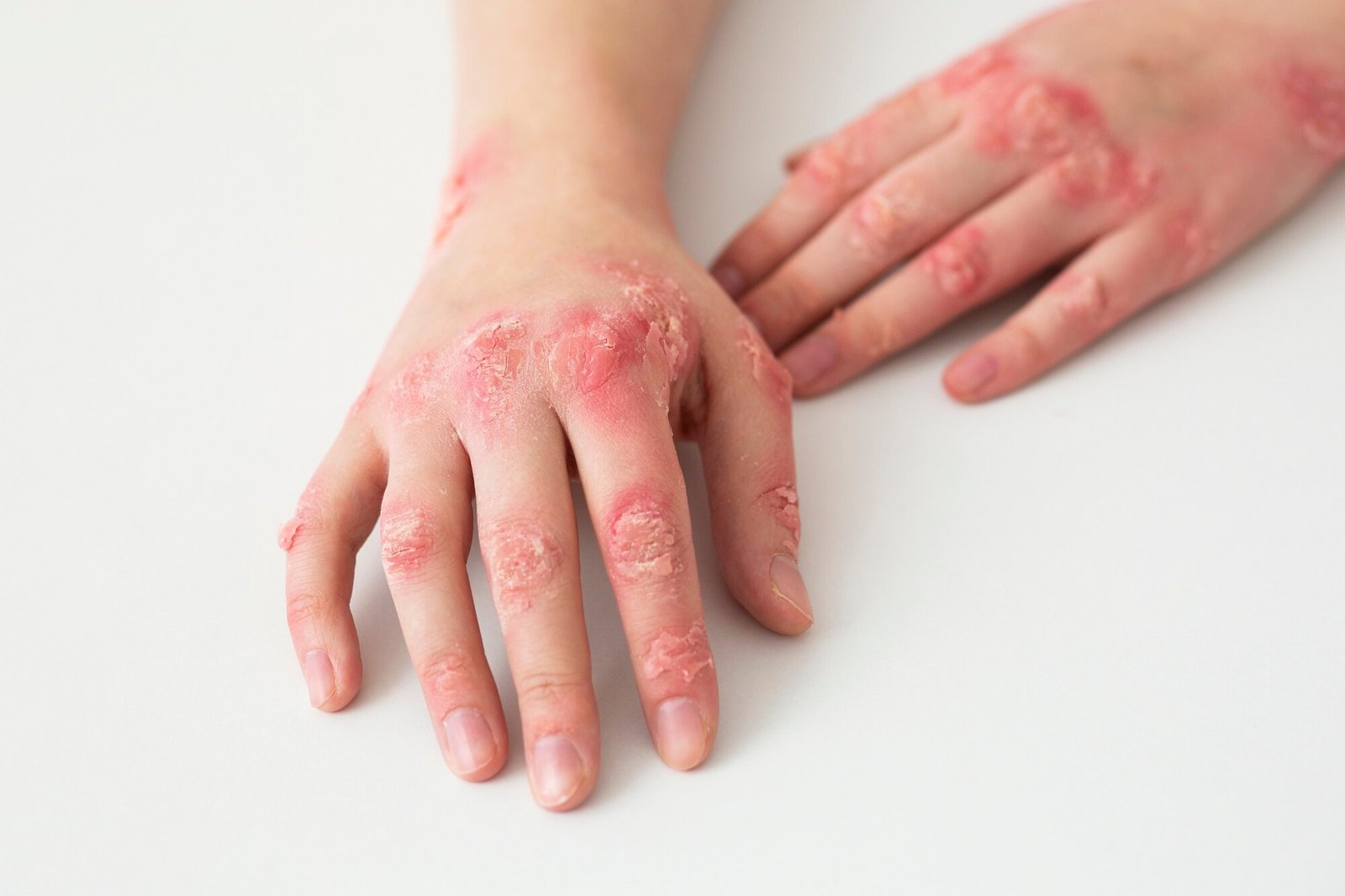
Fungal Infections: Fungal infections, such as athlete’s foot (tinea pedis) or nail fungus (onychomycosis), are common and can be spread in nail salons if hygiene practices are not strictly followed.

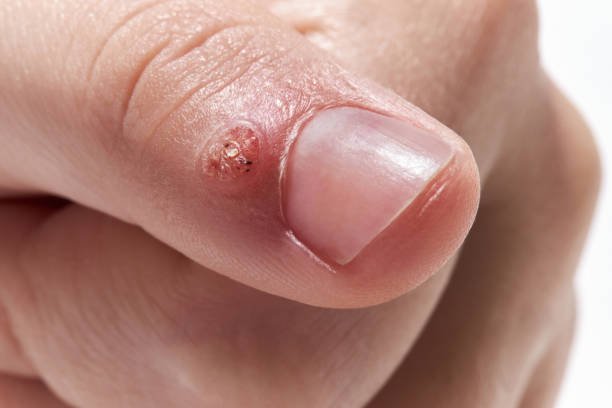
Viral Warts: Caused by the human papillomavirus (HPV), these can appear as small, grainy bumps on the hands and feet. They are contagious and can spread through direct contact.
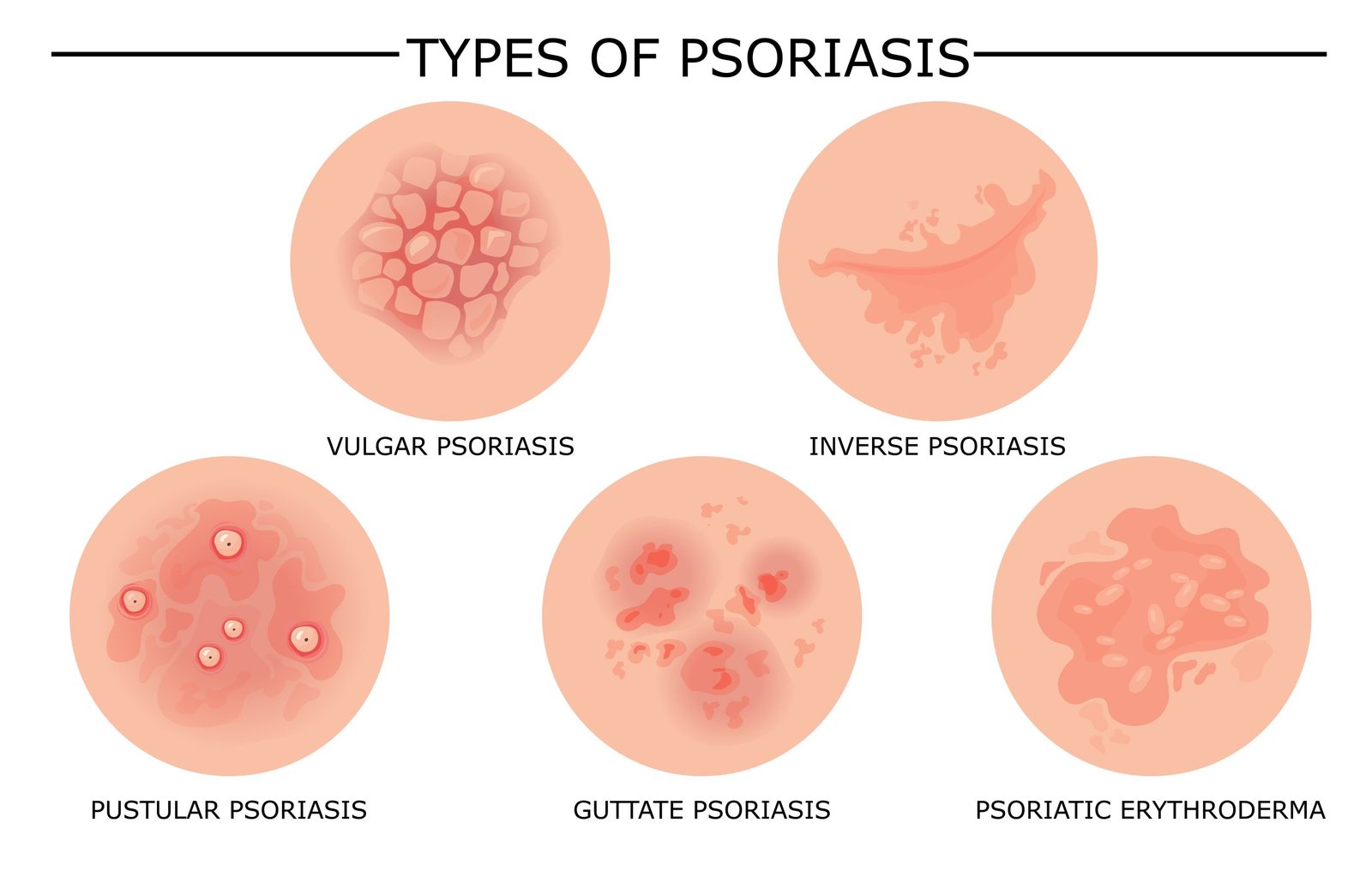
Psoriasis: This chronic skin condition can affect the nails, leading to abnormal nail growth, discoloration, and separation from the nail bed.
Best Practices for Dealing with Skin Issues
Consultation and Screening: Always conduct a thorough consultation before performing any service. Ask clients about their skin and nail health history to identify any potential issues.
Referral to Specialists: If you identify or suspect a serious skin condition, advise the client to see a dermatologist or healthcare provider for diagnosis and treatment.
Hygiene and Sterilization: Maintain the highest standards of cleanliness and sterilize all tools and equipment between clients to prevent the spread of infections.
Use of Protective Barriers: Consider using gloves and encourage clients to do the same, especially if they have cuts or open sores.
Education and Awareness: Educate your clients about the importance of foot and hand care, recommending they seek professional help for any persistent issues.
Conclusion
Navigating client skin issues with care and professionalism is essential for the safety and satisfaction of both the client and the nail technician. By implementing best practices for hygiene, consultation, and client education, you can help prevent the spread of infections and ensure a safe environment for everyone in the salon. Always prioritize health and safety over aesthetics, and don’t hesitate to refer clients to medical professionals when necessary.