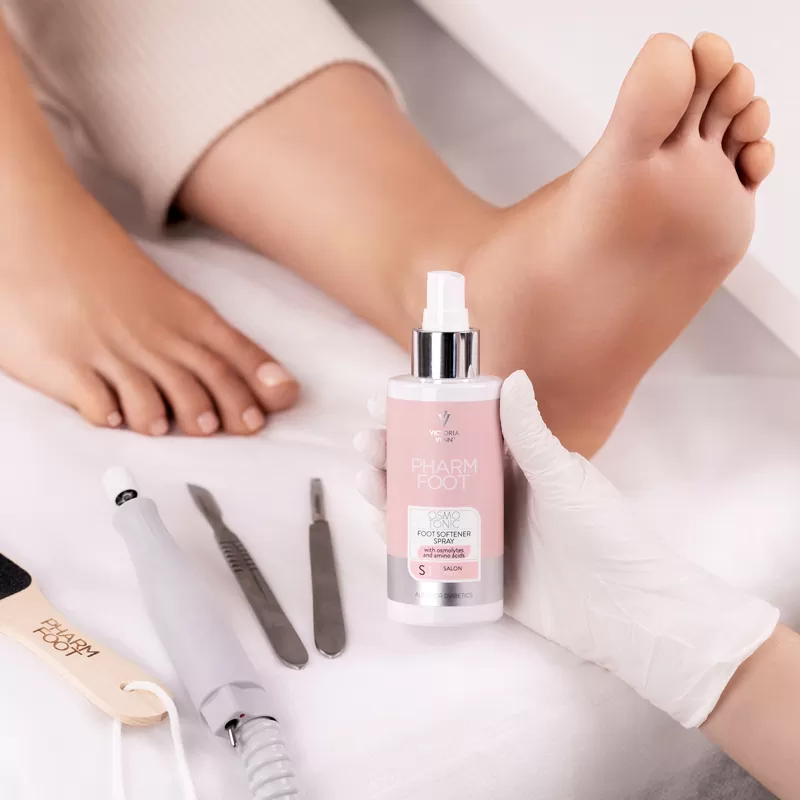


A new approach is here… SOFTENING THROUGH HYDRATION, which is the modern way of removing calluses combined with care.
The keratolytic products used so far in podiatry contain, plainly speaking, active ingredients that dissolve keratin, leading to the softening of the hard epidermis. Of course, such acidic, alkaline, enzymatic, or urea-based products are effective and safe when used by professionals. However, are there other solutions for podiatry in terms of softening and removing calluses for people with very dry and dehydrated skin, for whom, besides the removal of calluses, immediate hydration of the epidermis and protection against water loss are necessary?
What if we could use the caring benefits of the most effective moisturizing ingredients and turn them into softening action?
It turns out to be possible! Now, during the process of removing hard epidermis, we can provide the skin with hydration and protection against the loss of appropriate moisture levels. Let’s take a closer look at the groups of moisturizing substances whose cumulative action has been utilized in the innovative softening product OSMO TONIC by PHARM FOOT. This modern product, based on the synergistic action of humectants, amino acids, osmolytes, emollients, and polysaccharides, offers a new perspective on softening and removing calluses.

Humectants are hygroscopic moisturizing substances with a molecular structure that allows them to absorb and bind water molecules from the surroundings. The role of humectants is to retain moisture in the stratum corneum. Good humectants include Urea, Glycerin, Sodium Pyroglutamic Acid, Lactic Acid, Allantoin.
Amino acids are organic compounds. Their beneficial effect on the skin has been known for centuries. Besides the structural function in the skin’s matrix proteins, they are significant in maintaining the appropriate level of skin cell hydration. They are an essential part of the so-called NMF (Natural Moisturizing Factor), which consists of about 40% amino acids, including serine, citrulline, alanine, threonine, proline, asparagine, ornithine, valine, leucine, and histidine. Amino acids significantly impact skin hydration because they can bind water molecules and then retain them in the epidermis. This works on the principle of electrostatic interaction.
Osmolytes are particles involved in osmosis. They can dissolve inside the cell or the surrounding fluid. Osmolytes have a significant impact on skin hydration and its resistance to mechanical stressors. A decrease in hydration levels will result in reduced skin elasticity, which will quickly lead to a loss of its flexibility. This phenomenon can be called a state of disturbed osmotic balance. It happens when dehydrated skin lacks water because it cannot retain the appropriate amounts. In nature, osmosis is the movement of water and osmolytes to and from the cell, which helps maintain balance inside the cell and its external environment. The epidermis saturated with osmolytes increases so-called intracellular osmolarity and causes cells to maintain proper volume.
Emollients are cosmetic ingredients designed to moisturize and lubricate the skin, leaving an occlusive layer on its surface that seals the epidermis and prevents water evaporation. What is an occlusive layer? It is a protective film on the surface of the epidermis that specifically prevents water loss, known as TEWL (transepidermal water loss). Emollients rebuild the skin’s hydrolipidic layer. They provide an appropriate level of skin moisture and lubrication. Emollients include oils, butters, waxes, fatty alcohols, as well as synthetic mineral oils, silicones, and fatty acid esters.
Polysaccharides are complex or polysugars with a high molecular weight, made up of monosaccharide residues and their derivatives. They do not dissolve in water but form colloidal systems with it. They have moisturizing effects and prevent skin drying. An example of a well-known and valued polysaccharide in cosmetics is Alpha-Glucan, obtained from maltose. It has moisturizing, protective, and prebiotic properties. It protects the skin against negative external factors, reduces flaking and cracking of dry skin, stimulates the growth of beneficial bacteria, and strengthens the epidermal barrier. Alpha-Glucan Oligosaccharide creates a film on the skin that limits excessive water loss from the epidermis (TEWL).
Utilizing the phenomenon of osmosis in intelligent epidermal softening
Let’s return to the topic of osmosis and its use in cosmetics. The term osmosis in Greek means “impulse.” Osmosis has many practical applications both in industry and nature – and now also in cosmetics. According to the widely known definition, osmosis is “the movement of a solvent (such as water) through a semi-permeable membrane into a solution with a higher concentration of dissolved substances, which tends to equalize the concentrations of dissolved substances on both sides of the membrane.” To illustrate this process more vividly – imagine a dried fruit soaking in water. The fruit swells, and this all happens because of osmosis. When we sit in a bathtub or immerse our fingers in water for an extended period, the skin of our fingers wrinkles. This is also caused by osmosis. The skin of our fingers absorbs water and increases its volume.
MORE WATER IN WATER
For ideal hydration, water alone is not enough; it must have a smaller molecule to be absorbed by a substance with a smaller molecule that has hygroscopic properties, e.g., glycerin, amino acids, lactates. The smoothing and moisturizing action turns into a softening action. If we have very dehydrated skin, it is clear that applying individual ingredients such as humectants, emollients, and compounds modifying the stratum corneum will not provide good hydration on their own; these substances must be used together, then they act synergistically.
OSMO TONIC by PHARM FOOT
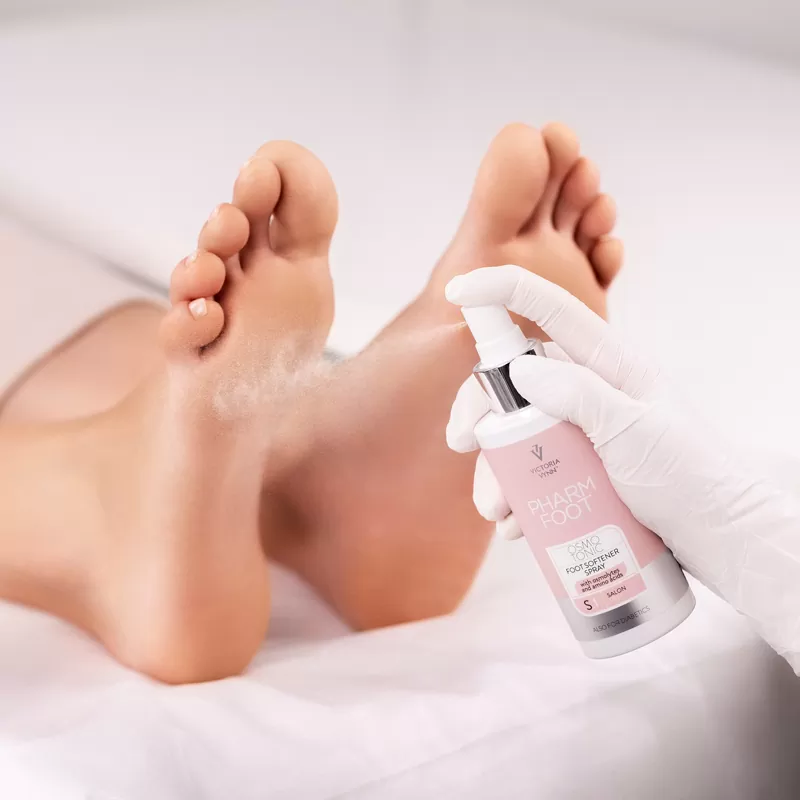
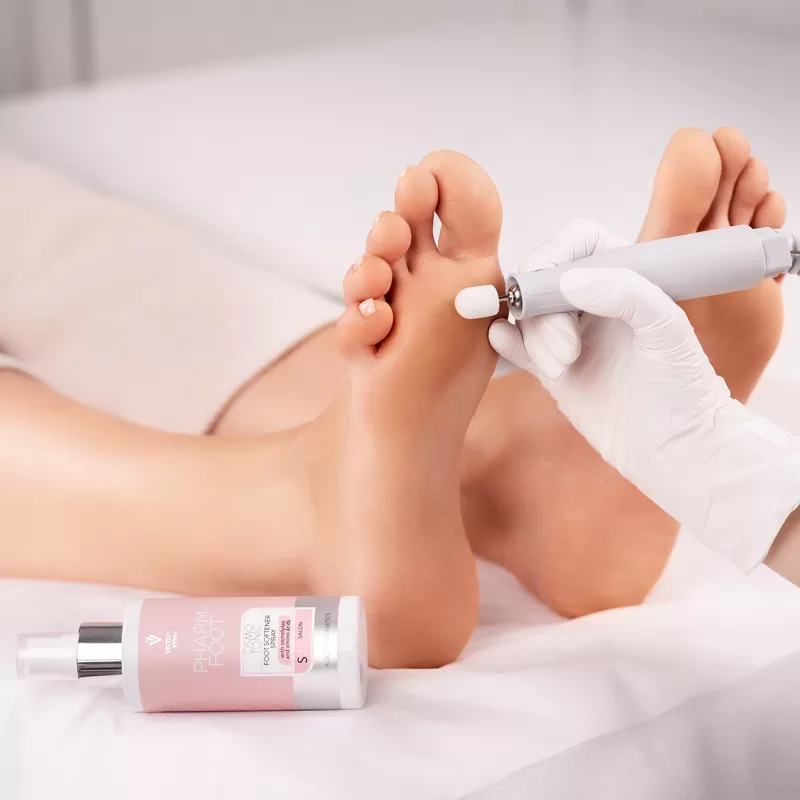
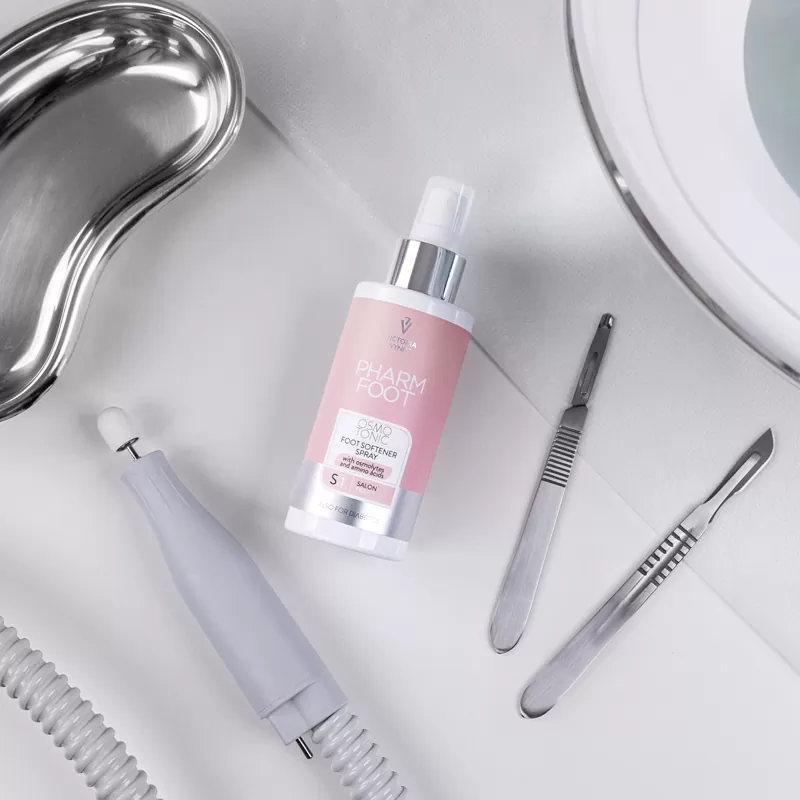
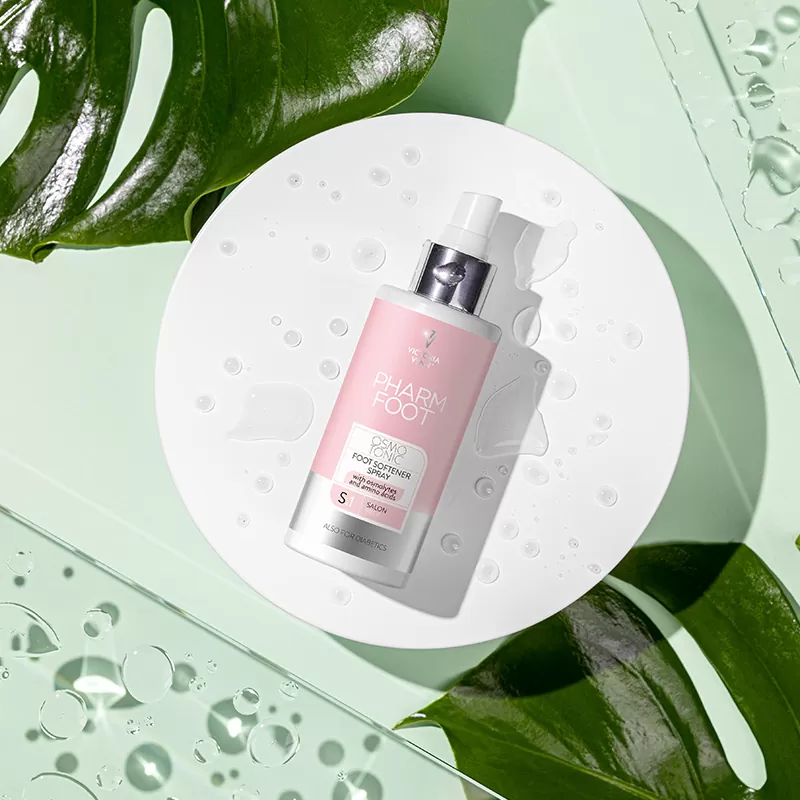
The action of the latest product, OSMO TONIC by PHARM FOOT, is based on the phenomenon of osmosis and the synergistic action of highly moisturizing active ingredients. It is a foot spray that softens calluses, assisting in their professional removal using podiatric tools. It is also recommended for diabetics. The formula of the liquid is an innovative moisturizing-softening concentrate, rich in osmolytes, amino acids, humectants, emollients, and polysaccharides. The product contains the PuraBeet® complex and ingredients such as Alpha-Glucan, Bisabolol, Sodium Pyroglutamic Acid, Glutamic Acid, Allantoin, Urea, Lactic Acid, and Lysine. It has antibacterial and antimicrobial properties.
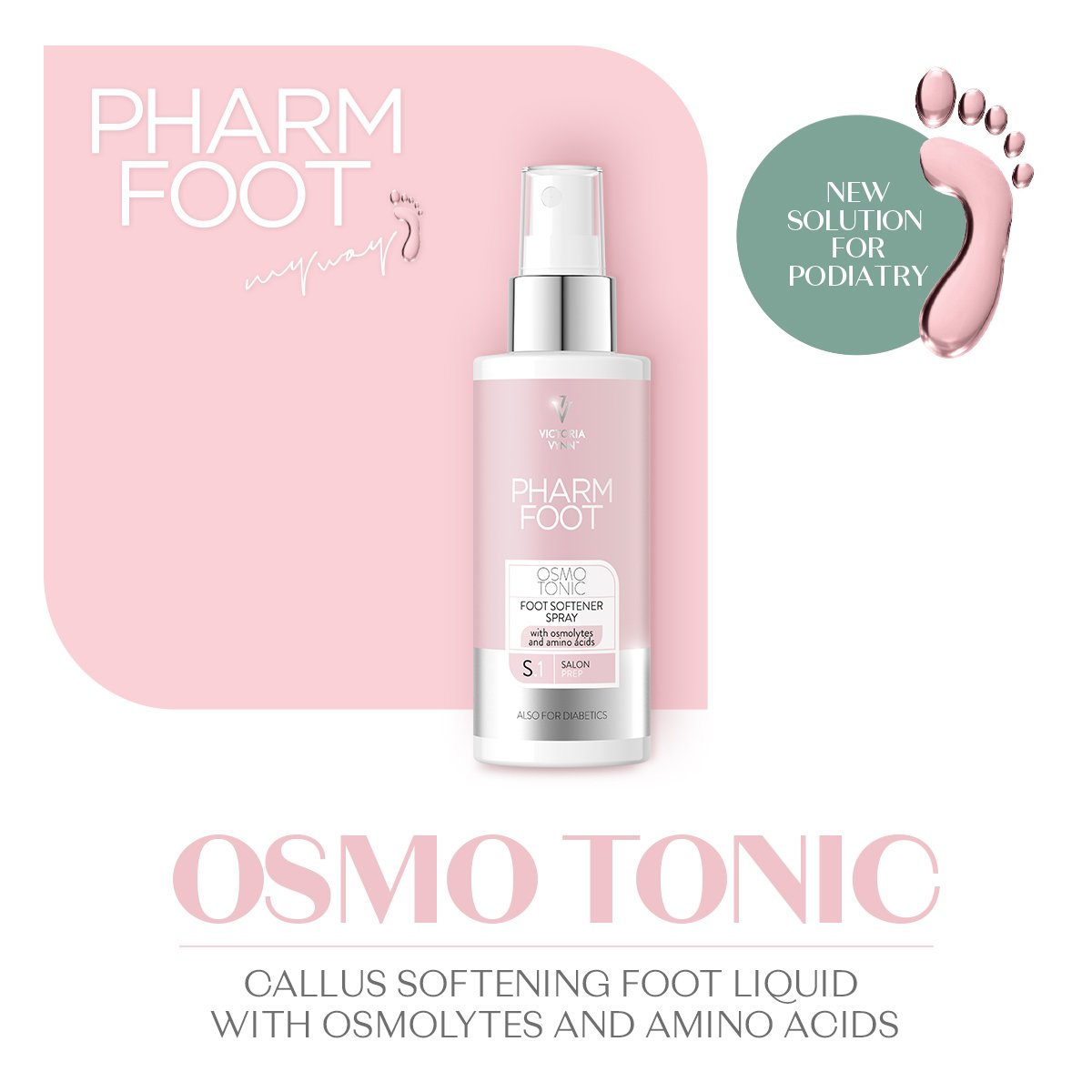
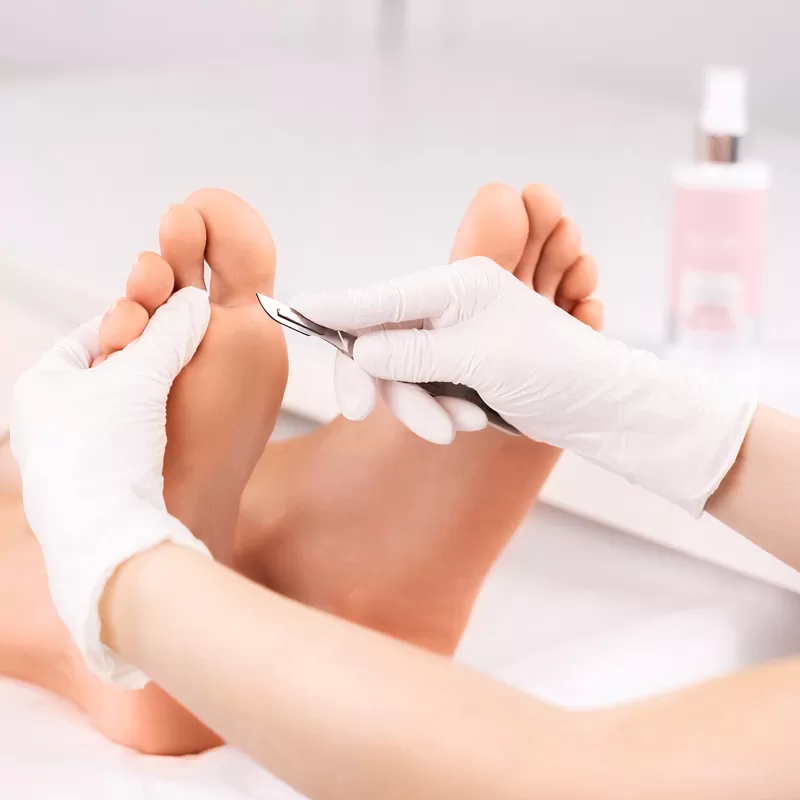
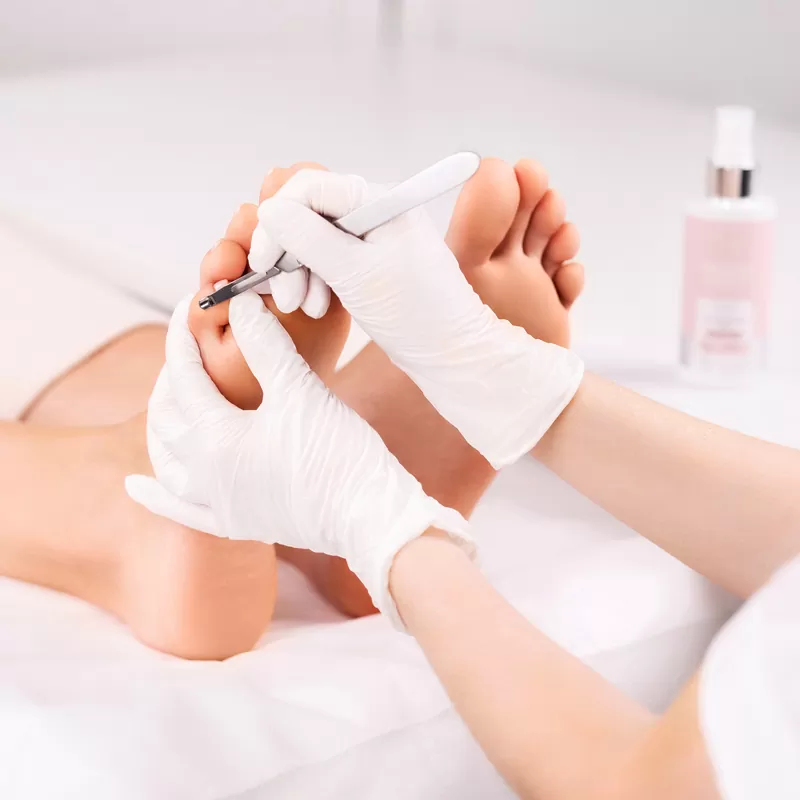
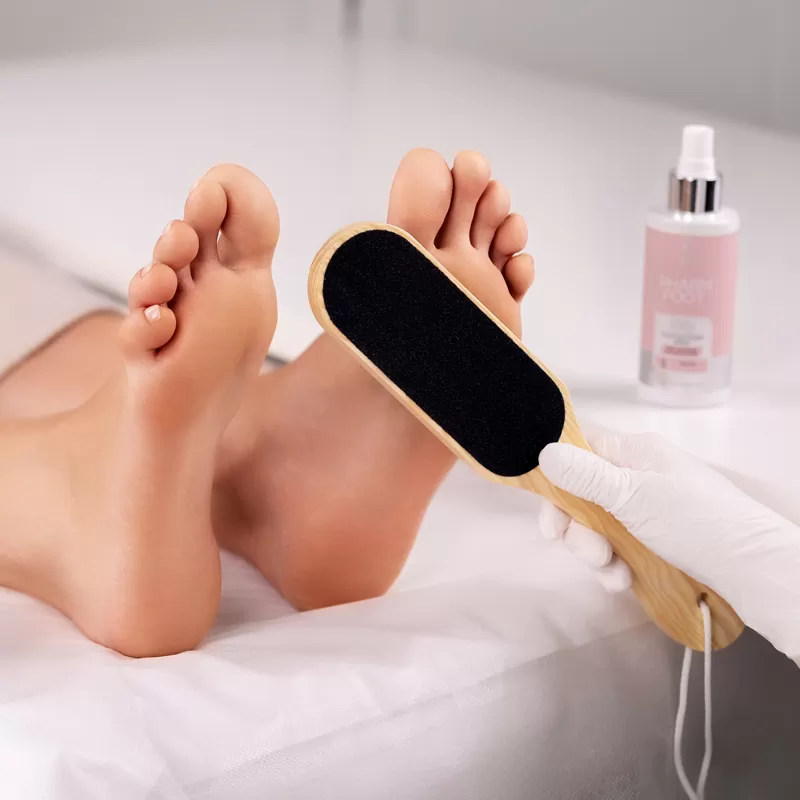
The product does not require prior soaking of the feet! Just spray the selected area from a distance of about 10 cm. Leave for a moment and proceed to remove the calluses. The spray can be applied multiple times. The effect of the treatment using this preparation is not only smooth skin without calluses but also appropriately hydrated and elastic epidermis with a proper level of hydration and an excellent base for the application of regenerative products such as ointments, creams, or masks.
Author: Natalia Moskal, Expert at PHARM FOOT